Stage 1
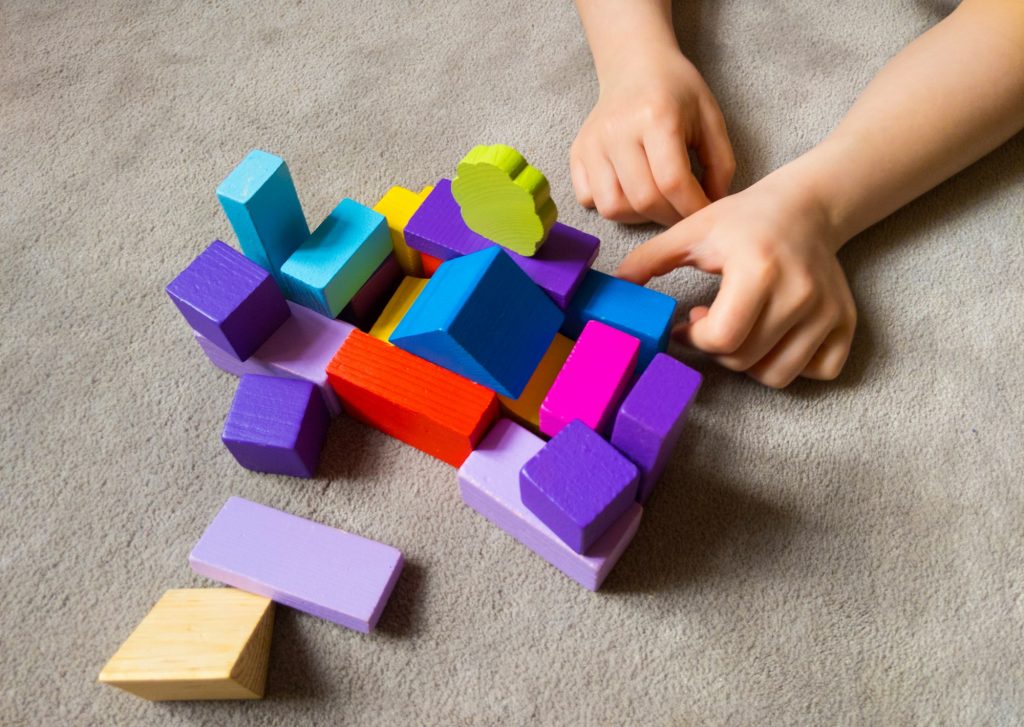
A child’s brain is like that of a seed. It will germinate well like that of a seed with a good stimulus and the right exposure. Initiating from the very bottom, the basics- the numbers of 1 to 20, your child will be ready for the future. Key skills such as observation, classification, basic network, Hands and eyes coordination, Probability, Shadow geometry and Number recognition are introduced. Get prepped, start right.
Stage 2
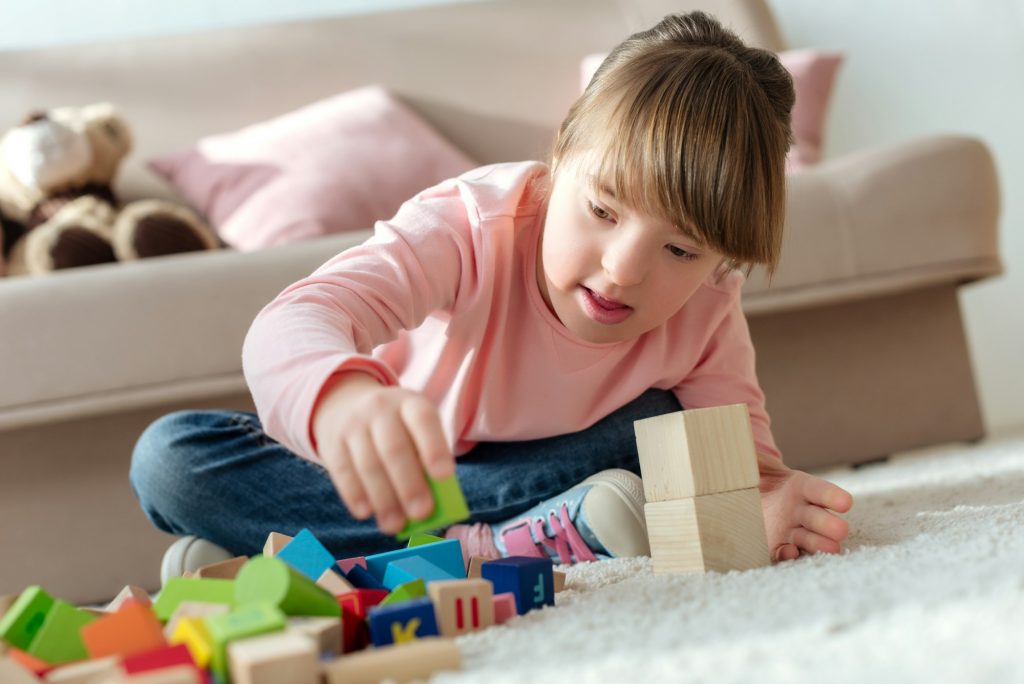
i-Maths helps children make sense of the world through numbers and shapes, encouraging them to reason, connect ideas, and think logically. Unlike traditional math, i-Maths focuses on making connections and seeing relationships in daily activities.
Children learn best when they’re excited and interested. As a parent, you can make the most of i-Maths by taking advantage of natural learning opportunities during the day. When toddlers point to objects, describe them (“That’s a pink flower” or “The chair has a square seat”). As they grow, answer their questions about quantity and color to stimulate thinking.
You don’t need to plan lessons; instead, use everyday events as teachable moments. Give your children opportunities to see, hear, and touch different things. Let them collect and share their findings. Encourage them to ask questions that go beyond yes or no answers and explore different ways to solve problems. If they go off track, gently guide them back by acknowledging the logical part of their approach. Respect their thinking and take your time, especially with children who tire easily.
All i-Maths activities can be integrated into daily routines. The provided learning materials are designed to complement this process, making activities enjoyable and engaging. Remember, it’s the thinking, not just the doing, that promotes learning. Use the suggested questions to build on your child’s answers, making your day more productive and enjoyable.
Stage 3
i-Maths helps children make sense of the world through numbers and shapes, encouraging them to reason, connect ideas, and think logically. Unlike traditional math, i-Maths focuses on making connections and seeing relationships in daily activities.
Children learn best when they’re excited and interested. As a parent, you can make the most of i-Maths by taking advantage of natural learning opportunities during the day. When toddlers point to objects, describe them (“That’s a pink flower” or “The chair has a square seat”). As they grow, answer their questions about quantity and color to stimulate thinking.
You don’t need to plan lessons; instead, use everyday events as teachable moments. Give your children opportunities to see, hear, and touch different things. Let them collect and share their findings. Encourage them to ask questions that go beyond yes or no answers and explore different ways to solve problems. If they go off track, gently guide them back by acknowledging the logical part of their approach. Respect their thinking and take your time, especially with children who tire easily.
All i-Maths activities can be integrated into daily routines. The provided learning materials are designed to complement this process, making activities enjoyable and engaging. Remember, it’s the thinking, not just the doing, that promotes learning. Use the suggested questions to build on your child’s answers, making your day more productive and enjoyable.